
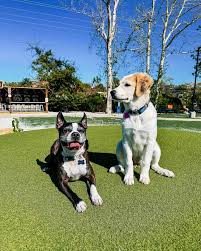

Indoor dog parks can give St. Louis dogs a valuable place to exercise, socialize, and escape Missouri’s summer heat. However, successful visits depend on more than simply opening the gate and letting a dog run. Indoor dog park training helps your dog enter calmly, respond around distractions, respect other dogs, and return to you when play becomes too intense.
At Off Leash K9 Training St. Louis MO Dog Trainers, I remind owners that social play should not mean losing all communication with their dog. A well-prepared dog can enjoy freedom while still responding to clear guidance. In this article, I will explain the skills that make indoor play safer, how to prepare before visiting, and how obedience training supports better social experiences.
Why Indoor Dog Park Training Matters
Indoor dog parks can be exciting environments. Dogs may encounter unfamiliar smells, barking, fast movement, food, new people, and several play styles at once. Even a friendly dog can become overstimulated when everything happens too quickly.
Indoor dog park training gives your dog a predictable structure for handling that excitement. The goal is not to stop appropriate play. The goal is to help your dog stay mentally connected to you while having fun.
Important skills include:
- Entering and exiting without pulling
- Waiting calmly at doors and gates
- Responding to their name
- Coming when called
- Taking short breaks from play
- Greeting dogs without rushing
- Leaving another dog when directed
- Settling near you after activity
The American Kennel Club recommends paying close attention to canine body language, monitoring play, and being prepared to leave when a situation is not appropriate for your dog. Their guidance on dog park etiquette and safety is a helpful reminder that owners must stay actively involved.
A dog who ignores every command once play begins may not be ready for a busy indoor park. That does not mean the dog can never participate. It means more foundational obedience training may be needed first.
Building Indoor Dog Park Training at Home
You do not need to begin indoor dog park training inside a crowded play space. In fact, most dogs learn better when new skills are introduced in a quieter environment.
Start with these steps:
- Practice attention around mild distractions
Ask for your dog’s name response, sit, place, and recall while another family member moves around the room. Gradually add toys, food, or outdoor activity.
- Teach a reliable release cue
Your dog should understand when they are free to move and when they need to remain in position. This creates a clear difference between structured obedience and playtime.
- Reward voluntary check-ins
When your dog looks back at you during a walk or play session, acknowledge and reward it. Regular check-ins help maintain communication in stimulating environments.
- Practice short play interruptions
Allow your dog to play for a few moments, call them back, reward calm behavior, and release them again. This teaches your dog that returning to you does not always end the fun.
- Build calm doorway behavior
Dogs should not drag owners through entrances. Ask for a pause before opening the door and release the dog only when they are composed.
These exercises strengthen indoor dog park training while supporting dog confidence, impulse control, and off-leash reliability. Our article on scent work training for calm focus also offers practical ways to help dogs think through excitement rather than react impulsively.
Recognizing Healthy and Unhealthy Play
Owners sometimes assume that every running, wrestling, or barking interaction is healthy play. Good play usually includes loose body movement, pauses, role reversals, and both dogs choosing to return.
Warning signs may include:
- One dog repeatedly trying to escape
- Stiff posture or prolonged staring
- Relentless chasing without breaks
- Guarding people, toys, or water
- Repeated pinning or body slamming
- Ignoring another dog’s request for space
- A dog becoming too aroused to respond
Indoor dog park training allows you to interrupt play before excitement becomes conflict. A dependable recall or break command gives everyone a chance to reset.
Never force a nervous dog to socialize. Dog confidence develops through positive, manageable experiences, not through overwhelming exposure. Some dogs enjoy small groups, while others prefer walking, scent games, or structured activities with their owners.
For more help strengthening everyday communication, read our guide to dog walker training for safer daily walks. The same leash manners, engagement, and recall foundations used on walks can improve behavior in social settings.
Regional Dog-Friendly Business Spotlight
K9 Garden in St. Louis, Missouri, offers indoor and outdoor dog park areas along with a café, bar, restaurant, and community gathering space. Its climate-controlled indoor park can give local owners an option for supervised activity when Missouri weather makes outdoor exercise difficult.
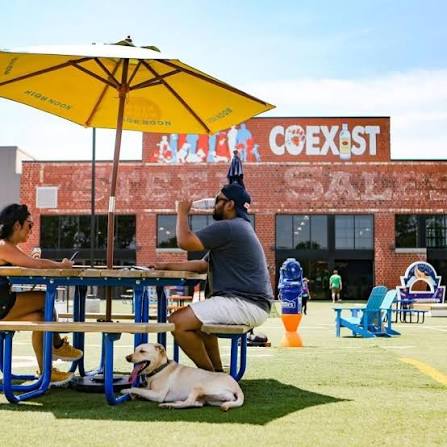
The facility requires participating dogs to meet vaccination requirements, and dogs over one year old must be spayed or neutered. Owners should review all current entry rules directly with K9 Garden before visiting.
A setting like this can provide a real-world opportunity to practice indoor dog park training. Dogs must manage movement, other animals, people, sounds, and changing activity levels. However, the environment is most beneficial when a dog already has enough obedience to disengage, return to the owner, and settle when asked.
K9 Garden is a local recreational resource and should not be confused with Off Leash K9 Training St. Louis MO Dog Trainers. Social play can provide exercise and enrichment, but it does not replace professional dog training or a structured behavior transformation plan.
When Professional Training Can Help
If your dog becomes reactive, overly excited, fearful, or completely unresponsive around other dogs, professional guidance can make social outings safer.
At Off Leash K9 Training St. Louis MO Dog Trainers, we help owners build the obedience foundation needed for real-world environments. Depending on the dog, that may include Private Lessons, Puppy Training, Off-Leash Obedience, or a structured Board and Train program.
Professional training may be especially helpful when your dog:
- Pulls or lunges toward every dog
- Cannot leave play when called
- Guards toys, food, or people
- Becomes overwhelmed in new environments
- Has a history of reactive behavior
- Struggles to settle after excitement
Indoor dog park training works best when expectations are practiced consistently. The goal is not to control every movement your dog makes. It is to create dependable communication so you can confidently guide your dog when necessary.
Ready for Safer Social Outings?
A successful dog park visit begins before you arrive. Calm entrances, reliable recall, appropriate greetings, and planned breaks can help your dog enjoy social play without becoming overwhelmed.
Off Leash K9 Training St. Louis MO Dog Trainers can help you develop indoor dog park training, obedience, and off-leash reliability that carry into everyday life. Contact our St. Louis dog training team to discuss the best training path for your dog.