

Dog treats can be useful tools for teaching focus, obedience, and better everyday habits. However, many St. Louis dog owners worry that using food will teach their dog to listen only when a snack is visible. The good news is that dog treat reward training does not have to become bribery when rewards are used with proper timing and a clear plan.
At Off Leash K9 Training St. Louis MO Dog Trainers, I help owners understand the difference between using food to teach a behavior and depending on food forever. Treats can help a dog understand what is expected, but reliable obedience develops through repetition, structure, clear communication, and gradually practicing around distractions.
In this article, I will explain how to use treats effectively, avoid common mistakes, and build obedience that remains dependable even when your pockets are empty.
How Dog Treat Reward Training Supports Learning
Dogs repeat behaviors that lead to positive outcomes. When a dog sits and immediately receives a reward, the dog begins connecting the action with the result. This makes treats especially helpful when introducing a new command or working with a young puppy.
The American Kennel Club explains that the value and timing of a reward can affect how effectively a dog learns. A reward must genuinely motivate the dog, and it should be delivered quickly enough for the dog to understand which behavior earned it.
Good uses for dog treat reward training include:
- Teaching a puppy to respond to their name
- Introducing sit, down, place, or recall
- Rewarding calm behavior around distractions
- Building confidence in unfamiliar environments
- Encouraging attention during leash walks
- Reinforcing polite greetings
- Helping a nervous dog engage with its owner
Treats should support communication rather than replace it. When owners wave food in front of a dog before every command, the dog may begin focusing only on the visible reward. This is when training can start feeling like bribery.
Rewarding a Dog Versus Bribing a Dog
The difference usually comes down to when the food appears.
A bribe is shown before the dog responds. The dog sees the treat and then decides whether following the command is worth the effort. A reward is delivered after the dog completes the requested behavior.
For example, imagine asking your dog to sit:
- Give the command once.
- Allow the dog time to respond.
- Mark the correct behavior with a consistent word such as “yes.”
- Deliver the reward while the dog is still sitting.
- Release the dog when the exercise is complete.
This sequence helps your dog understand that listening earned the reward. It also allows the food to remain hidden until the correct behavior occurs.
Effective dog treat reward training also depends on placement. If you reward a sit after the dog has already stood up, your dog may not understand which action was correct. Clear timing makes learning faster and reduces confusion.
Owners who want additional ideas for improving calm attention can review our guide to scent work training for calm focus. Structured scent activities can provide mental enrichment while strengthening communication between dogs and owners.
Choosing the Right Treat for the Situation
Not every training session requires the same reward. A quiet practice session in your living room is easier than asking for obedience near dogs, children, traffic, or unfamiliar smells.
Use lower-value rewards for easier exercises and higher-value rewards when the environment becomes more challenging. Small rewards are usually best because they allow you to complete several repetitions without filling your dog too quickly.
A practical reward system may include:
- Regular kibble for simple exercises at home
- Small training treats for backyard practice
- Soft, higher-value treats for busy public settings
- Praise, toys, or play for dogs motivated by interaction
- Access to a favorite activity as a real-life reward
Treats should be appropriately sized and suitable for your dog’s dietary needs. Owners should speak with their veterinarian before introducing unfamiliar foods if their dog has allergies, digestive concerns, weight-management needs, or another medical condition.
As your dog improves, dog treat reward training should become less predictable. Instead of rewarding every successful repetition, begin rewarding selected responses while continuing to offer verbal praise. This teaches your dog that obedience is always expected, even when food does not appear every time.
Regional Dog-Friendly Business Spotlight
Whisker Bones Supply Co. in Edwardsville, Illinois, is a locally operated pet salon, treat bakery, and boutique serving dogs, cats, and their owners. The business offers handcrafted treats, decorated bones, pupcakes, custom celebration cakes, grooming services, and pet products.
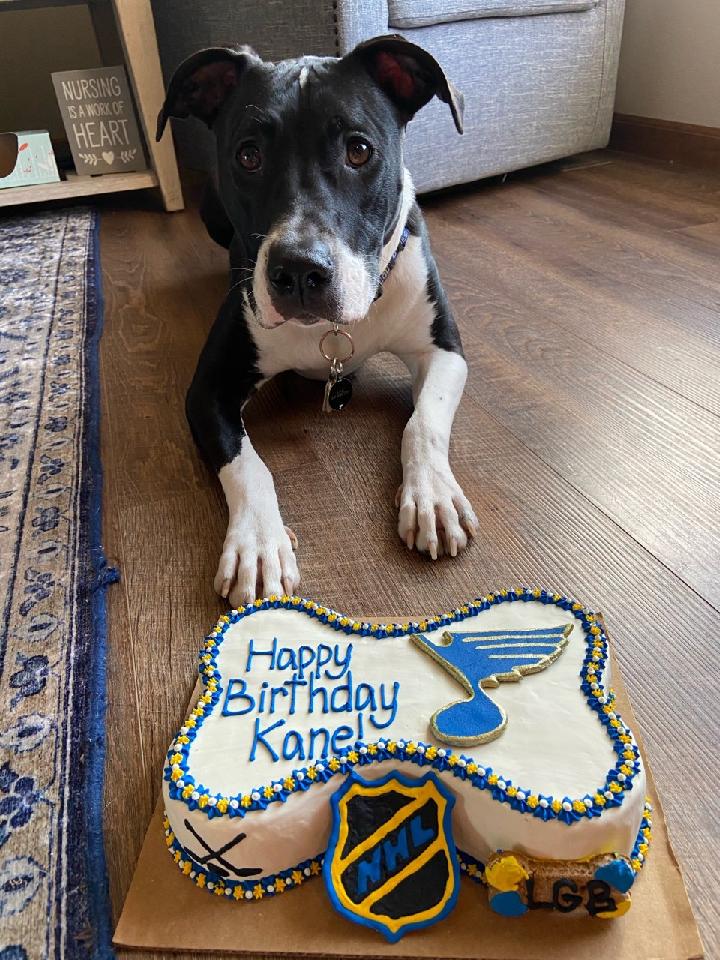
Its official website states that its treats are prepared in small batches using dog-friendly ingredients. Dog owners can explore different textures and flavors that may help them discover which rewards motivate their dogs during dog treat reward training.
Whisker Bones Supply Co. is included here as a regional shopping and pet-care resource. It should not be confused with Off Leash K9 Training St. Louis MO Dog Trainers. While choosing an appropriate reward can support learning, treats alone do not create reliable obedience or resolve serious behavior problems.
A bakery or pet boutique can also be a useful place to practice calm public behavior. Before entering, ask your dog to pause at the doorway. Inside, practice loose-leash walking, attention, and polite greetings rather than allowing pulling toward every product or person.
Dogs that bark, lunge, or become overwhelmed in public may benefit from reviewing our article about leash reactivity causes, solutions, and myths.
Moving From Treats to Reliable Obedience
The long-term goal of dog treat reward training is not to carry food for every command. The goal is to help your dog understand the behavior before gradually increasing expectations.
Once your dog responds reliably in a quiet environment:
- Practice with the treat hidden.
- Reward only after the behavior is complete.
- Begin varying how often food is delivered.
- Add mild distractions one at a time.
- Practice in several locations.
- Continue using praise and real-life rewards.
- Avoid increasing difficulty too quickly.
A dog that performs perfectly in the kitchen may not immediately respond at a park. Dogs do not automatically generalize commands to every environment. They need structured practice around different people, animals, sounds, surfaces, and activity levels.
At Off Leash K9 Training St. Louis MO Dog Trainers, our professional dog training programs help dogs develop obedience that works beyond the home. Depending on the dog’s age, temperament, and training goals, options may include Private Lessons, Puppy Training, Off-Leash Obedience, or a structured Board and Train program.
These programs can strengthen recall, place, heel, impulse control, dog confidence, and off-leash reliability. They also teach owners how to maintain expectations consistently after formal training ends.
Want Obedience Beyond the Treat Bag?
Treats can make learning enjoyable, but they should be one part of a complete training system. With good timing, gradual reward reduction, and consistent practice, dog treat reward training can help establish behaviors without creating permanent food dependence.
Off Leash K9 Training St. Louis MO Dog Trainers can help you turn early reward-based practice into dependable obedience and meaningful behavior transformation. Contact our St. Louis dog training team to discuss the right program for your dog.