
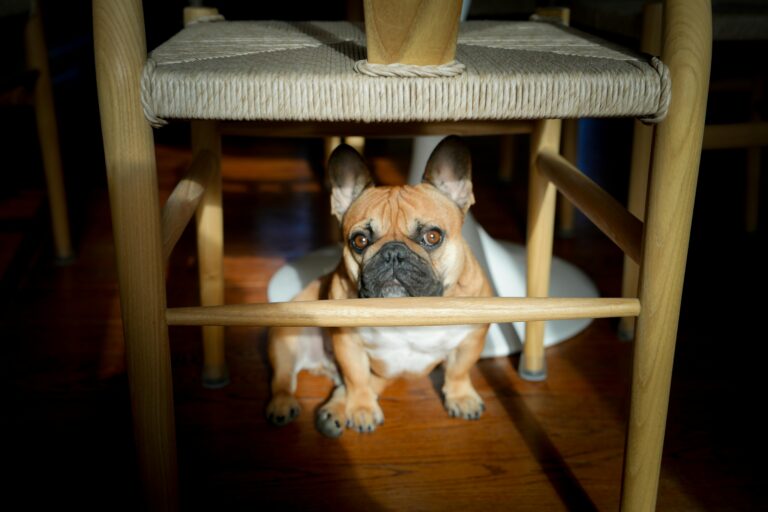

As a professional dog trainer, I hear the same concern every storm season. The moment bad weather rolls in, otherwise well behaved dogs suddenly pace, bark, hide, or ignore commands they know well. Thunderstorms can shake a dog’s confidence quickly, especially when fear is layered on top of loud noise and pressure changes.
The good news is that bad weather does not have to derail your training progress. With the right structure, consistency, and guidance, dogs can learn to stay calm and responsive even during storms. At Off Leash K9 Training St. Louis, we work with many dogs who struggle during thunderstorms, and we have seen how training can create stability when the environment feels unpredictable.
Why Bad Weather Affects Dog Behavior
Storms introduce a combination of sensory triggers that dogs often find overwhelming. Thunder, lightning, wind, barometric pressure changes, and even static electricity can create confusion and stress.
During bad weather, dogs may:
-
Lose focus during obedience training
-
Show increased anxiety or restlessness
-
Ignore previously reliable commands
-
Seek escape or hide
-
React more strongly to noise or movement
These behaviors are not signs of stubbornness. They are stress responses. Understanding this allows us to train with empathy while still maintaining clear expectations.

Building Calm Through Structure and Obedience
One of the most effective ways to help dogs during storms is to rely on structure they already understand. Clear obedience training gives dogs something familiar to focus on when the environment feels chaotic.
Structured training helps by:
-
Creating predictable routines during storms
-
Giving dogs clear tasks instead of letting anxiety escalate
-
Reinforcing calm behaviors like place, down, and recall
-
Improving overall dog confidence
At Off Leash K9 Training St. Louis, we emphasize obedience training that translates into real life situations. When dogs are enrolled in structured programs like Basic Obedience or Board and Train, they learn to work through distractions rather than shut down because of them.
Training Tools That Support Calm Behavior
Training during bad weather should focus on clarity, not correction. Dogs need guidance that feels consistent and fair. This is where professional dog training makes a significant difference.
Helpful training strategies include:
-
Practicing calm commands during mild storms before severe weather hits
-
Using place commands to create a safe, predictable spot
-
Reinforcing calm behavior with praise and consistency
-
Avoiding accidental reinforcement of anxious behaviors
Dogs with strong off-leash reliability and obedience foundations are better equipped to handle environmental stress. Training is not about forcing calm. It is about teaching dogs how to regulate themselves.
For owners who want deeper insight into how structure protects dogs during stressful seasons, our internal blog on winter training and why colder months are perfect for progress explains how consistent routines build resilience.
Managing Storms Inside the Home
Training does not stop when the storm starts. How you manage your home environment during bad weather matters just as much.
Helpful adjustments include:
-
Closing blinds to reduce lightning flashes
-
Playing low volume background noise to soften thunder
-
Keeping dogs engaged with familiar commands
-
Avoiding excessive reassurance that can reinforce anxiety
Dogs read our reactions closely. Calm leadership goes a long way in helping them feel safe. This is a key concept we reinforce during private lessons and puppy training programs at Off Leash K9 Training St. Louis.
When Fear Becomes a Training Opportunity
Storms can actually become valuable training moments when handled correctly. Instead of avoiding training during bad weather, we can use it to strengthen behavior transformation.
Calm storm training helps:
-
Build trust between dog and owner
-
Improve impulse control
-
Increase focus under distraction
-
Strengthen obedience reliability
We often remind clients that confidence is built through experience, not avoidance. This is also why we talk about environmental safety in our internal article on holiday hazards and household dangers, since storms often bring additional risks inside the home.
What Science Says About Thunder Fear
Understanding fear responses helps owners train more effectively. The American Kennel Club provides valuable insight into why dogs fear thunder and how structured training supports calmer behavior. Their article on why dogs are scared of thunder explains how desensitization, routine, and leadership all play a role in reducing anxiety.
This aligns closely with what we practice at Off Leash K9 Training St. Louis, where professional dog training focuses on clarity, consistency, and real world application.
Final Thoughts
Bad weather does not have to mean bad behavior. With the right training approach, storms become another environment where dogs can succeed rather than panic. Obedience training, structure, and leadership help dogs feel secure even when thunder shakes the house.
If your dog struggles during storms and you want guidance that actually works in real life, Off Leash K9 Training St. Louis is here to help. Reaching out through our Contact Page is a simple first step toward building calm, confident behavior no matter what the weather brings.