
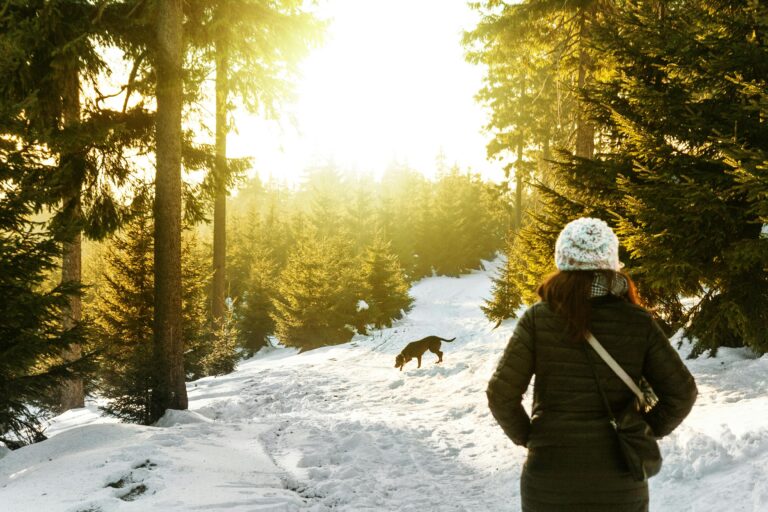

When the temperature drops, many owners assume it is time to take a break from dog training. But winter is actually one of the best times to build stronger obedience, improve focus, and work on indoor skills.
As a professional dog trainer in St. Louis, I’ve seen countless dogs make their biggest progress during the colder months. Fewer outdoor distractions and shorter days create perfect opportunities to strengthen routines, teach new commands, and set up for success before spring adventures return.
Let’s explore why winter dog training is so effective and how you can make the most of it.
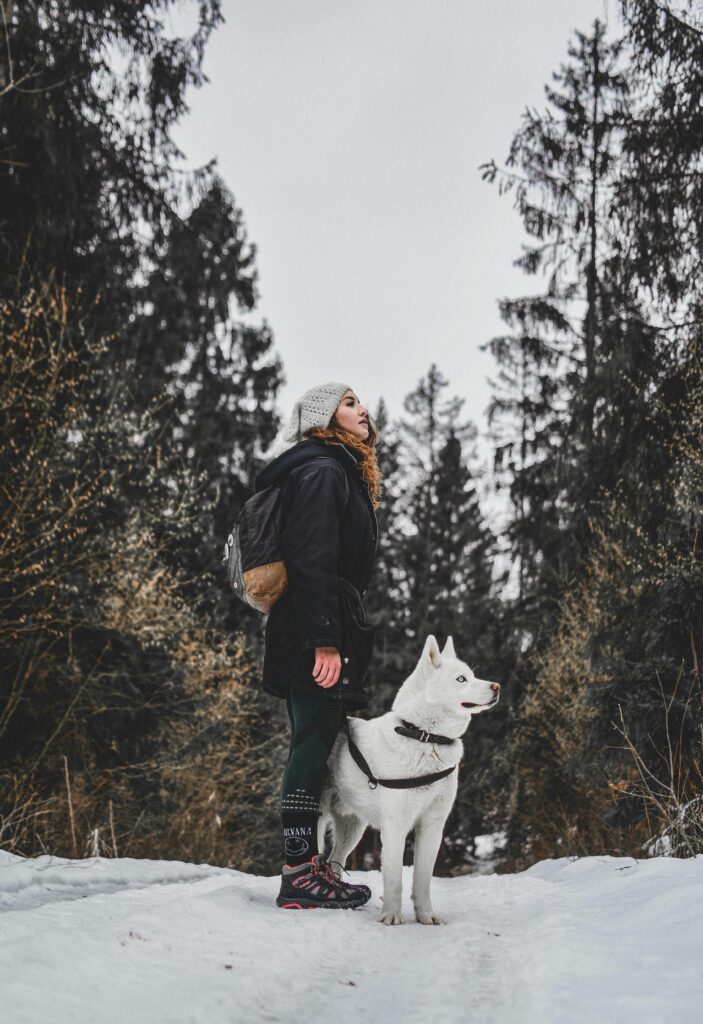
Why Winter Is a Great Time to Train
The biggest advantage of winter training is focus. Dogs are less distracted by wildlife, people, and outdoor noise. The slower pace of the season gives owners time to build consistency and tackle behavioral issues they may have ignored during summer.
Benefits of training in winter:
- Less distraction from outdoor activity
- More time indoors for structured sessions
- Easier focus on obedience basics
- Better leash manners during quiet walks
- Stronger bond through routine and engagement
Indoor Training Opportunities
When it is too cold for long walks or outdoor practice, move your sessions indoors. With a little creativity, your living room or hallway can become the perfect training environment.
Indoor activities that reinforce obedience:
- Place command: Teach calmness while you cook, work, or watch TV.
- Recall drills: Practice Come between rooms for reliability.
- Focus games: Reward eye contact and engagement.
- Leash practice: Use short indoor walks to refine Heel.
- Impulse control: Work on Stay with distractions like toys or treats.
For more creative training ideas, check out our post on serious games that improve skill development. These drills keep your dog mentally active even when outdoor play is limited.
Outdoor Winter Training Tips
Cold weather doesn’t have to stop outdoor work altogether. With preparation, your dog can still enjoy productive sessions outside.
Winter outdoor training tips:
- Dress your dog appropriately, especially short-coated breeds.
- Keep sessions short to prevent overexposure.
- Warm up with light movement before starting.
- Avoid icy surfaces to prevent injury.
- Use high-value rewards since motivation may drop in the cold.
The American Kennel Club offers helpful cold-weather training advice that emphasizes safety and consistency during winter. Training in the cold builds adaptability and confidence for your dog.
Common Winter Training Mistakes
Some owners unintentionally let progress slip during the winter months. Avoiding these common pitfalls helps keep your dog sharp.
Common mistakes include:
- Pausing training altogether until spring
- Allowing inconsistent commands at home
- Ignoring leash manners due to shorter walks
- Skipping mental enrichment on bad weather days
Your dog’s behavior is a reflection of your consistency. Even 10 minutes a day of structured practice can make a big difference.
Checklist: Winter Dog Training Success
- Maintain daily obedience sessions indoors
- Keep leash manners sharp during short walks
- Rotate training games to prevent boredom
- Adjust rewards for cold weather motivation
- Dress dogs safely for outdoor sessions
- Stay consistent through the entire season
Frequently Asked Questions
- Can I train my dog outside in freezing temperatures?
Yes, but keep sessions brief and monitor your dog for signs of discomfort. Breeds with thick coats often handle cold better than short-haired dogs. - How can I prevent my dog from getting bored indoors?
Use enrichment activities such as puzzle feeders, hide-and-seek, or training games that challenge their mind. - What if my dog refuses to go outside in winter?
Start with short, rewarding sessions and gradually extend time outdoors. Use a coat or boots if needed. - How often should I train during the winter?
Daily practice, even if short, helps maintain focus and obedience. Consistency matters more than session length. - Are there commands best taught in winter?
Yes. Place, Stay, and Recall work well indoors, while Heel can be reinforced on calm, uncrowded winter walks.
Keep Training Year-Round
Winter training sets the foundation for a better-behaved dog in spring and beyond. Structured routines, consistent obedience, and creative indoor sessions ensure that progress never stops, no matter the season.
Our Basic Obedience Program gives you the structure and support to make the most of winter. To start your dog’s next phase of training, reach out through our contact page today.