
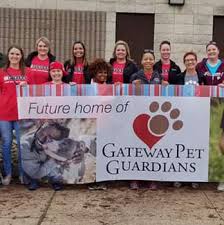

Bringing home a new dog is exciting, but it can also feel unpredictable, especially if you adopted from a shelter or rescue. In my experience as Off Leash K9 Training St. Louis MO Dog Trainers, the fastest way to reduce stress for everyone is rescue dog training that starts with structure, not pressure. The goal in the first month is simple: help your dog decompress, learn your routine, and build confidence through clear obedience training. When you do that, you prevent a lot of common issues like accidents, overstimulation, leash pulling, and “selective hearing.”
In this post, I’ll share a realistic first-month plan, the obedience skills that matter most early on, and a local dog-related business spotlight within easy driving distance of St. Louis that I think more families should know about.
Rescue dog training starts with decompression, not demands
One of the biggest mistakes I see is rushing. People bring a dog home and immediately introduce new friends, new dogs, long outings, and lots of freedom inside the house. That sounds loving, but for many newly adopted dogs it is overwhelming.
A better approach is decompression. That means quiet time, a predictable schedule, and limited decisions for the dog while they learn what “normal” looks like in your home. The American Kennel Club has a helpful explanation of why decompression matters when bringing home a new dog, and I recommend reading it if your dog seems shut down or overly wound up: AKC guidance on decompression for a new dog.
Here’s what I focus on during the first two weeks of rescue dog training:
- Routine first: set times for potty, meals, walks, and rest
- Restricted freedom: use baby gates, crates, or a leash in the house
- Calm exposure: short, controlled outings instead of big social events
- Clear rules: the same expectations every day, from every person in the home
This is where obedience training becomes less about “commands” and more about communication.
The core obedience skills that prevent common new-dog problems
Most new-dog issues are predictable. Dogs do what works, and if they do not know the rules yet, they experiment. Solid rescue dog training prevents those experiments from becoming habits.
These are the skills I want early:
- Name response and check-ins
I want your dog to look at you quickly when you say their name. That builds attention, and attention is the gateway to off-leash reliability later. - Crate and place training
This creates an “off switch” so your dog can settle. It also helps prevent pacing, barking, and destructive chewing. - Leash walking basics
Loose leash walking is not just manners. It is safety. It also builds calmer brain chemistry during outings. - Recall foundations
Early recall is not about testing your dog around huge distractions. It is about building trust and consistency in low-pressure settings. - Leave it and impulse control
This helps with trash, counters, kids’ toys, and grabbing random things on walks.
If you want to set a strong foundation, I suggest revisiting The Gift of Obedience Training. It explains why consistency is the real secret behind lasting behavior transformation.
A simple first-month plan for rescue dog training
I like to keep this practical. Here is a plan that works well for most dogs in the St. Louis area, including St. Louis County and the Metro East.
Week 1: Stability and trust
- Keep walks short and calm
- Feed on a schedule
- Start crate or place routines
- Begin reward-based engagement for eye contact and name response
Week 2: Introduce structure
- Add short obedience sessions (5 to 10 minutes)
- Practice leash skills daily
- Start gentle handling and grooming routines
- Keep visitors and dog-to-dog interactions limited and controlled
Weeks 3 and 4: Expand gradually
- Increase distractions slowly
- Practice recall on a long line
- Work on neutral behavior around new people and dogs
- Introduce controlled social time if your dog is ready
This phased approach helps your dog build dog confidence. Confidence is what supports calm behavior, better obedience training, and the kind of reliability people want when they talk about off-leash obedience.
If your home includes other dogs, introductions matter a lot. This guide on how to introduce a new dog and avoid chaos is one I reference often with new adopters.
Regional Dog-Friendly Business Spotlight
Gateway Pet Guardians is a standout resource for dog lovers located in East St. Louis, Illinois, which is well within 1 to 2 hours of St. Louis, Missouri. Their organization focuses on helping pets and owners through services that support the broader pet community, including adoption and accessible pet resources.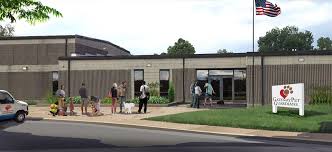
If you’re looking for a place to adopt, support rescue work, or connect with a mission-driven pet community, it’s worth knowing about them. Here’s their website: Gateway Pet Guardians.
How this connects to rescue dog training:
- Newly adopted dogs often need decompression, structure, and gradual exposure
- Basic obedience and calm routines help dogs settle faster and bond with their new families
- Training support can reduce the risk of overwhelm and prevent early behavior issues from becoming long-term habits
I always want adopters to feel supported. A thoughtful adoption choice paired with structured training is one of the best combinations I see for long-term success.
When professional training is the right move
Some dogs settle quickly. Others need a more guided plan, especially if you’re seeing anxiety, reactivity, guarding, or persistent accidents. That is where Off Leash K9 Training St. Louis MO Dog Trainers can help.
Many local families choose programs like Private Lessons for customized coaching, or Board and Train for a stronger jumpstart. If you want to see the options, you can start with our Dog Training Programs page.
The point of rescue dog training is not perfection. It is clarity, confidence, and a dog that understands how to succeed in your home.
If you just adopted a dog and want a clear plan that builds obedience, confidence, and real-world reliability, reach out to Off Leash K9 Training St. Louis MO Dog Trainers. Contact us through our contact page and we’ll help you choose the best next step for your dog.