
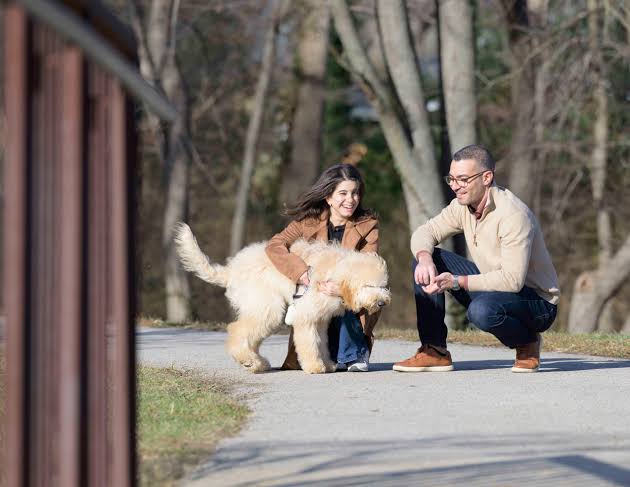

Dog hand targeting teaches your dog to touch their nose to your open palm on cue. That small movement can help you guide their position without pulling them into place. For St. Louis owners preparing for fall photos, I suggest treating it as a useful communication skill, not a requirement for a perfect portrait.
At Off Leash K9 Training St. Louis MO Dog Trainers, I want obedience training to support the ordinary moments you share with your dog. This week, I am breaking down how to teach “touch,” introduce small changes, and use the skill during a relaxed photo rehearsal.
My starting point is simple: practice before the camera comes out. I would rather introduce dog hand targeting in the living room than expect a dog to learn it while a photographer, unfamiliar equipment, and new surroundings compete for attention.
A comfortable location, familiar rewards, and room for breaks matter during photography. The American Kennel Club recommends watching your dog’s body language and stopping when stress or fatigue appears. I would prioritize that comfort over getting one more shot.
Start Dog Hand Targeting With a Clear Reward
Here is a starting plan based on the AKC’s guide to teaching a nose target:
- Offer your palm. In a quiet room, hold an empty, open hand an inch or two from your dog’s nose. Let them investigate rather than pushing your hand forward.
- Mark the contact. The moment their nose touches your palm, say “yes” or click, then deliver a treat.
- Add the cue. After your dog deliberately repeats the touch, say “touch” just before presenting your hand.
- Change the position gradually. Move your hand slightly to one side or farther away. Reward successful touches before adding more distance or distractions.
For dog hand targeting, I would begin with a few easy repetitions, then pause. My first goal would be a deliberate nose touch, not a long reach, jump, or complicated sequence. There is no need to turn the first session into a test.
Keep the reward separate from the empty target hand. Our article on dog treat reward training explains how reward timing and placement help clarify which action earned the treat.
When practice becomes harder, I would return to a closer hand position or quieter setting. Progress should follow your dog’s responses rather than a deadline on the calendar.
Turn a Familiar Touch Into Photo Preparation
Once the basic movement is familiar, I suggest a short rehearsal at home. Use dog hand targeting to invite your dog a step toward the spot where you would like them to stand. Mark and reward that touch before asking for anything else.
Next, ask for a separately trained sit or stand. Let a helper take a picture, reward the brief pose, and release your dog. The touch gets your dog into position; it does not automatically teach them to remain there.
For the next rehearsal, change just one detail, such as having the helper crouch with a phone. I would keep the same easy setup rather than adding a new place and several distractions together.
Dog hand targeting should never become a way to draw a worried dog toward someone they are trying to avoid. A tucked tail, repeated lip licking, or turning away can signal discomfort when considered alongside the situation. Pause and give your dog space.
Keep your dog leashed during outdoor practice. Off-leash reliability is a separate goal, not a prerequisite for photographs. For broader preparation, read our guide to dog training for photo sessions.
Regional Dog-Friendly Business Spotlight
This week, I am highlighting Outdoor Pet Photography Services, led by photographer Todd Gurley in St. Louis, Missouri. The business offers outdoor sessions for pets and families, with pre-session planning, location coordination, and edited digital images.
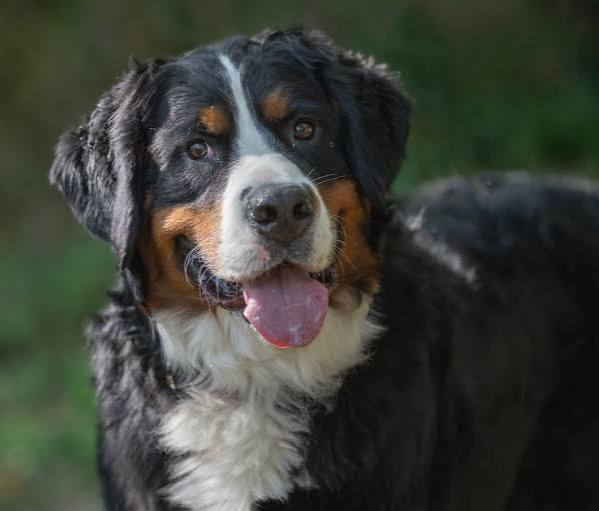
Its website describes learning about a dog’s personality and comfort before the session, then allowing time to explore or settle. That gives owners a practical opportunity to discuss their dog’s needs before choosing a setting.
I connect this resource with dog hand targeting as preparation, not a promise of flawless posing. The business provides photography; my focus at Off Leash K9 Training St. Louis MO Dog Trainers remains building useful skills and dog confidence.
Ready to Build Skills Beyond the Photo Session?
For me, behavior transformation starts with manageable goals. Dog hand targeting is one small skill, while broader needs may call for professional dog training.
Explore our Dog Training Programs, including Basic Obedience, Basic & Advanced Obedience, and Board and Train. I recommend discussing your dog’s needs before selecting a program.
To plan your next step, contact Off Leash K9 Training St. Louis MO Dog Trainers. Let’s build clearer communication for photo days and everyday life.