
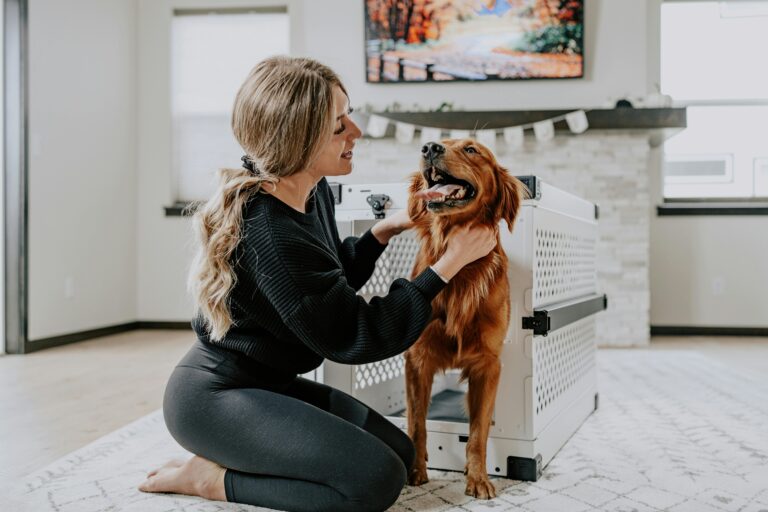

As a professional dog trainer, the start of a new year is one of my favorite times to work with dog owners. People are motivated, focused, and ready to build better habits with their dogs. The challenge is not starting strong. The challenge is building training routines that actually last beyond the first few weeks.
Dogs thrive on consistency, clarity, and repetition. When training routines are realistic and structured, dogs learn faster and owners feel more confident. When routines are rushed or inconsistent, progress stalls and frustration builds on both ends of the leash. The goal is not perfection. The goal is creating habits that fit into real life and support long term success.

Why Training Routines Matter
Dogs do not generalize skills automatically. Just because your dog listens well in the living room does not mean they understand the same expectations in the yard or on a walk. This is where training routines make a difference.
Strong routines help:
-
Reinforce clear expectations
-
Reduce confusion and stress
-
Build reliable obedience
-
Improve communication between dog and owner
-
Prevent regression after initial training
Without consistent practice, even well trained dogs can slip into old habits. Training is not a one time event. It is an ongoing process that benefits from repetition and structure.
Start Small and Stay Consistent
One of the biggest mistakes owners make is trying to do too much at once. Successful training routines start small and build gradually. Short, focused sessions done consistently are far more effective than long, infrequent sessions.
A strong routine might include:
-
Five to ten minutes of obedience work in the morning
-
Reinforcing commands during daily walks
-
Practicing place or recall during evening downtime
-
Using everyday situations as training opportunities
Consistency matters more than duration. Dogs learn through repetition, and small wins add up quickly when routines are maintained daily.
Align Training With Your Lifestyle
Training routines only work when they fit into your schedule. If a plan feels overwhelming, it will not last. The best routines are flexible and realistic.
Ask yourself:
-
When is my dog most focused during the day
-
What parts of my daily routine already involve my dog
-
Where can I naturally reinforce commands
Training can happen during meals, before walks, or while guests arrive at the door. These moments are perfect opportunities to reinforce structure without adding extra time to your day.
How Structure Reinforces Progress
Dogs feel more confident when they know what is expected. Structure reduces anxiety and improves behavior, especially during busy or distracting situations. This is why consistent routines are often easier to maintain during colder months when distractions are limited.
If you want to understand how structure supports consistency, our internal article on why winter training is perfect for long term progress explains how predictable routines accelerate learning and strengthen obedience.
Choosing the Right Training Support
Not all training goals are the same. Some dogs need foundational skills, while others need advanced structure or behavior modification. Pairing daily routines with professional guidance ensures those routines are effective and clear.
Programs like our Basic Obedience Program help owners establish reliable habits that translate into real world success. Clear guidance removes guesswork and helps routines stay productive rather than repetitive.
Avoiding Common Routine Mistakes
Even well intentioned owners can sabotage progress without realizing it. Common mistakes include:
-
Inconsistent rules between family members
-
Practicing only in low distraction environments
-
Repeating commands without follow through
-
Expecting progress without reinforcement
Strong routines include accountability. That means rewarding correct behavior and calmly correcting mistakes when needed. Consistency builds trust and clarity.
Reinforcing Skills Outside of Training Sessions
Training does not stop when a session ends. Everyday life is where routines truly take hold. Asking for a sit before meals, a down before opening doors, or a place command during dinner reinforces obedience naturally.
The American Kennel Club emphasizes the importance of consistency and repetition when building reliable habits, which is explained well in their article on effective dog training practices.
Final Thoughts
Building training routines that stick in the new year comes down to consistency, structure, and realistic expectations. When routines are simple, repeatable, and supported by professional guidance, dogs thrive and owners see lasting results.
If you are ready to strengthen your dog’s obedience and build habits that truly last, working with a professional trainer can make all the difference. Reaching out through our contact page is a great first step toward setting clear goals and creating routines that support long term success.