


If you have travel coming up, you might be thinking about where your dog will stay and how they’ll handle it. Here’s the truth I share with my clients right away: boarding training is what makes the difference between a stressful drop-off and a smooth, predictable stay. When your dog has a few core obedience skills and some comfort with routines like crates, handling, and calm greetings, boarding becomes much easier on them and on you.
As Off Leash K9 Training St. Louis MO Dog Trainers, we work with a lot of Missouri families who board their dogs for weekends, work trips, and holidays. In this post, I’ll walk you through what boarding training looks like in real life, which skills help most, and how to prepare your dog in the weeks leading up to a stay. I’ll also share a regional business spotlight that’s well within 1 to 2 hours of St. Louis and offers enrichment-focused boarding.
Why boarding training prevents common boarding problems
Most boarding issues are not “kennel problems.” They’re transition problems. A dog that struggles at boarding is usually struggling with one or more of these:
- Difficulty settling away from home
- Overexcitement around new dogs and people
- Anxiety with confinement or noise
- Leash pulling and impulse control issues in busy hallways
- Stress-related barking, pacing, or appetite changes
That’s why boarding training is really about building dog confidence and predictable habits. When a dog understands how to relax on cue and follow simple obedience training, they’re far more likely to eat, rest, and adapt.
I also like owners to reframe this: boarding is not a test of your dog’s love for you. It’s a new environment. Training helps your dog feel safe in that new environment.
If you want a foundational explanation of why structure changes everything, The Gift of Obedience Training is a good read before you start prepping.
The boarding training skills I want in place before a stay
When owners ask me what matters most, I keep it practical. You don’t need a long list. You need a reliable few.
Here are the skills that make boarding training work:
- Crate comfort or kennel comfort
Your dog should be able to rest in a confined space without panic. That’s safety and sanity. - Place and settling
Place creates an “off switch,” which is huge for dogs who get overstimulated. - Leash manners
Loose leash walking helps with check-in, potty breaks, and transitions around other dogs. - Recall foundations
Even in a boarding setting, coming when called is part of safe handling and control. - Polite greetings
Jumping, mouthing, and spinning can make staff interactions harder and raise stress levels.
This is the same obedience training foundation that supports long-term off-leash reliability and behavior transformation. Boarding simply reveals how strong the foundation really is.
For additional preparation tips from a high-authority source, I like this AKC resource: Planning Ahead: Prepare Your Dog for Boarding. It aligns well with what I see in professional dog training.
A simple boarding training plan for the 2 weeks before drop-off
If you’re boarding soon, here’s a realistic plan that helps most dogs. It’s structured, but it doesn’t require hours a day.
Days 1 to 4: Build calm routines
- Practice place for 2 to 5 minutes twice daily
- Feed meals on a consistent schedule
- Do short leash walks with calm starts and stops
- Add 1 to 2 minutes of crate time after exercise
Days 5 to 9: Add mild distractions
- Practice obedience training in the driveway or a quiet park
- Reward check-ins and calm behavior around passing people
- Increase crate duration gradually
- Practice gentle handling: paws, ears, collar area
Days 10 to 14: Practice “mini separations”
- Short departures while your dog rests calmly
- Reinforce calm greetings when you return
- Keep training sessions short and predictable
- Do one or two field trips that resemble boarding transitions, like walking through a new building calmly
The key is repetition without drama. Boarding training is not about hyping your dog up, then hoping they crash. It’s about teaching calm behavior as a default.
If travel is part of why you’re boarding, our post on Holiday Season Dog Travel Tips is worth scanning. Travel routines and boarding routines often overlap, especially around packing, schedules, and stress management.
Dog-Friendly Business Spotlight
Kennelwood Pet Resorts (St. Louis, MO)
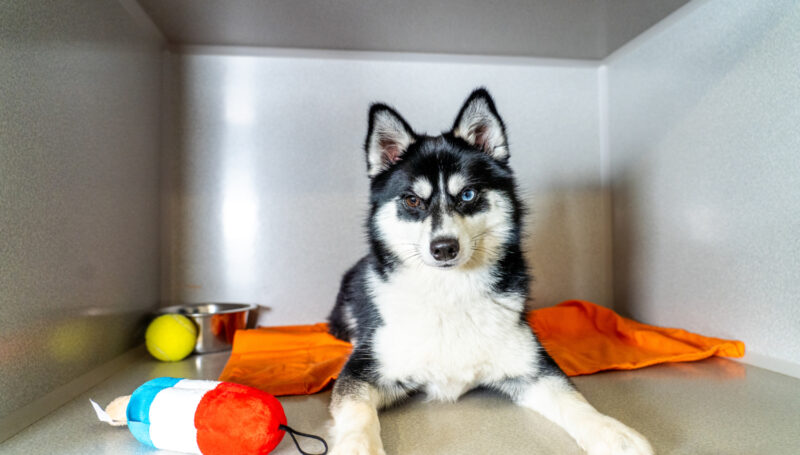
A regional option many Missouri dog owners know is Kennelwood Pet Resorts in St. Louis, Missouri. They offer boarding with an emphasis on a safe, clean environment and enrichment-style care for pets staying away from home. You can learn more here: Kennelwood Pet Resorts Boarding.
Why it benefits dog owners:
- It’s a local St. Louis-area option within easy driving distance
- The boarding environment is structured, which pairs well with boarding training
- Enrichment and routine help many dogs settle faster during a stay
To be clear, I’m not presenting Kennelwood as my training business. The training support comes from Off Leash K9 Training St. Louis MO Dog Trainers, and the spotlight here is simply a dog-related boarding resource that can be a good fit for owners who value structured care.
When professional training makes boarding training faster
Some dogs adapt easily. Others need more guided prep, especially if they’re reactive, anxious, or easily overstimulated around other dogs. If your dog struggles with settling, leash control, or impulse behaviors, professional support can make a major difference before a boarding stay.
At Off Leash K9 Training St. Louis MO Dog Trainers, we often use programs like Private Lessons for targeted coaching, or Board and Train for families who want an immersive jumpstart on obedience training and calmer routines. You can see program options on our Dog Training Programs page.
When dogs have stronger foundations, boarding becomes simpler: fewer stress behaviors, better recovery after drop-off, and a smoother transition back home.
If you want a clear boarding training plan that improves calm behavior, obedience, and confidence before your next trip, reach out to Off Leash K9 Training St. Louis MO Dog Trainers. Contact us through our contact page and we’ll map out the best next step for your dog.