
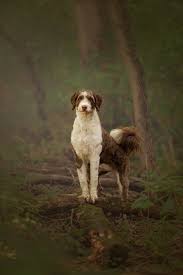

A pet photo session sounds simple until your dog sees a camera, a new person, a park full of smells, or a studio setup they have never experienced before. I see this often with Missouri dog owners. The good news is that pet photo training can help your dog stay calmer, hold basic positions, and feel more confident during the session. You do not need a perfectly still dog. You need a dog who understands a few clear commands, can settle between shots, and knows how to recover when the environment gets exciting.
As Off Leash K9 Training St. Louis MO Dog Trainers, I look at photo sessions the same way I look at any real-world outing. Success comes from preparation. In this post, I’ll walk through the obedience training skills that make photos easier, how to practice before your session, and how training supports better behavior around photographers, props, and public locations.
Why pet photo training makes the session easier
Photos are full of unusual distractions. Your dog may be asked to sit in a new spot, look toward a sound, stay near props, or ignore people walking nearby. Without pet photo training, many dogs default to movement and excitement.
Common photo session challenges include:
- Pulling toward the photographer or camera bag
- Refusing to sit or stay in one place
- Jumping when people use attention-getting noises
- Sniffing props instead of focusing
- Getting overstimulated in outdoor settings
- Shutting down if the session feels unfamiliar
None of this means your dog cannot be photographed. It just means your dog needs a plan. A few reliable commands can make the whole session smoother and more enjoyable.
For dogs who get nervous in new environments, learning body language matters too. The AKC has a helpful guide on reading dog body language, which can help owners notice stress signals before a dog becomes overwhelmed: Understanding Dog Body Language.
Pet photo training skills I recommend first
When I help owners prepare for photos, I focus on simple skills that translate well into the session. These are also the same skills that support obedience training, off-leash reliability, and dog confidence in everyday life.
Here are the most useful pet photo training commands:
- Sit with duration
Your dog does not need to sit forever. Even 10 to 20 seconds of stillness can help a photographer capture better shots. - Down and stay
Down is great for relaxed portraits and calmer body language. - Place
This is one of my favorites. A small mat, blanket, or platform gives your dog a clear target and helps them understand where to be. - Look or focus
Teaching your dog to look toward you on cue helps create cleaner photos without constant noise-making. - Leave it
Props, treats, flowers, and camera gear can all be tempting. Leave it keeps your dog safe and focused.
These skills create structure. Structure creates confidence. That is why pet photo training is not just about pictures. It is about teaching your dog how to handle new situations calmly.
If you want to better understand why clear expectations matter, I recommend reading The Gift of Obedience Training. It explains how consistent training improves everyday behavior, not just formal commands.
A simple pet photo training plan before your session
You do not need weeks of complicated drills. A short, realistic plan can make a big difference.
Try this one-week pet photo training routine:
Day 1 to 2: Practice stillness at home
Ask for sit, down, and place in a quiet room. Reward calm behavior and release before your dog gets restless.
Day 3 to 4: Add mild distractions
Practice while someone moves around, opens a door, or holds a phone like a camera.
Day 5: Practice outdoors
Move to the yard, driveway, or a quiet park. Keep reps short and reward focus.
Day 6: Add props or a blanket
Use a simple mat, bandana, or toy. Teach your dog to ignore the prop unless invited to interact.
Day 7: Keep it easy
Do a short confidence-building session. Do not overwork your dog right before the photos.
The biggest mistake owners make is practicing too long. Five to ten minutes is plenty. Good pet photo training should leave your dog feeling successful, not drained.
If your dog struggles with changes in routine or public distractions, Winter Training: Perfect Progress is a useful reminder that small, consistent sessions build stronger habits over time.
Regional Dog-Friendly Business Spotlight
Top Breed Pet Photography (St. Louis, MO)
This week’s featured regional business is Top Breed Pet Photography in St. Louis, Missouri. Their website describes professional dog and pet photography in St. Louis and surrounding areas, with outdoor sessions and indoor studio portraits available.
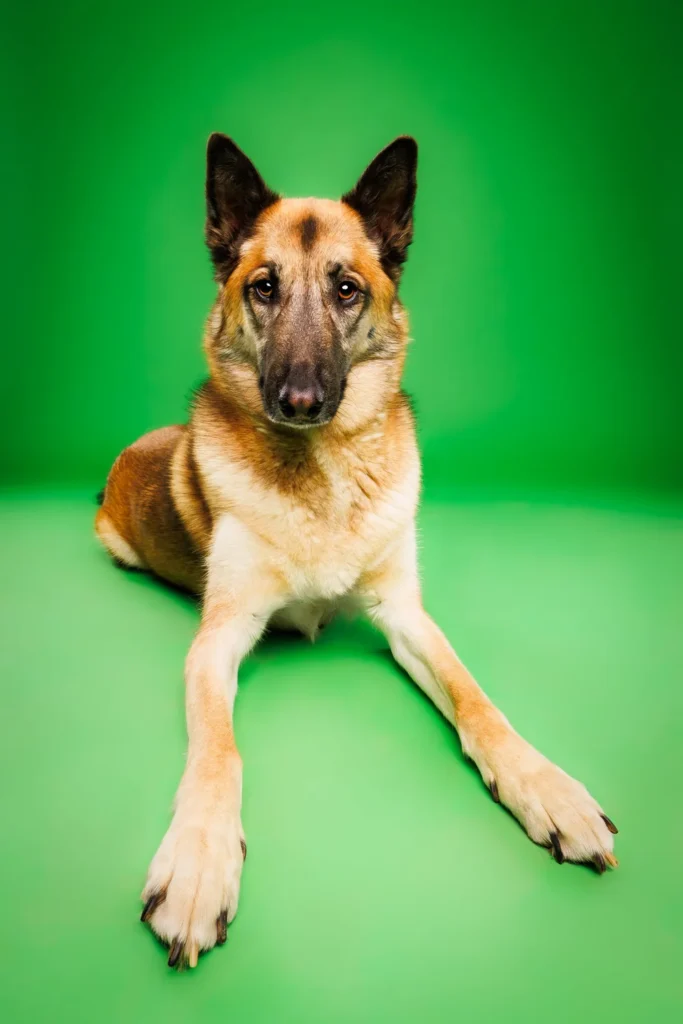
You can learn more about them here: Top Breed Pet Photography.
Why this benefits dog owners:
- They focus specifically on dog and pet photography
- They offer outdoor and indoor options for different dog personalities
- A photo session can become a positive real-world goal for trained dogs
- It connects naturally with pet photo training because calm focus and handler communication help the session go more smoothly
To be clear, Top Breed Pet Photography is the featured local pet business. The professional dog training support comes from Off Leash K9 Training St. Louis MO Dog Trainers. A skilled photographer can capture your dog’s personality, but training helps your dog feel prepared for the experience.
Ready for calmer outings and better focus?
If your dog struggles to sit still, focus, or stay calm around new people and environments, pet photo training is a great real-world goal to work toward. At Off Leash K9 Training St. Louis MO Dog Trainers, we help Missouri owners build reliable obedience through Private Lessons, Basic Obedience, Basic & Advanced Obedience, Board and Train, and Off-Leash Obedience.
You can explore our Dog Training Programs if you want a stronger foundation, or reach out through our contact page and we’ll talk through the best next step for your dog.