
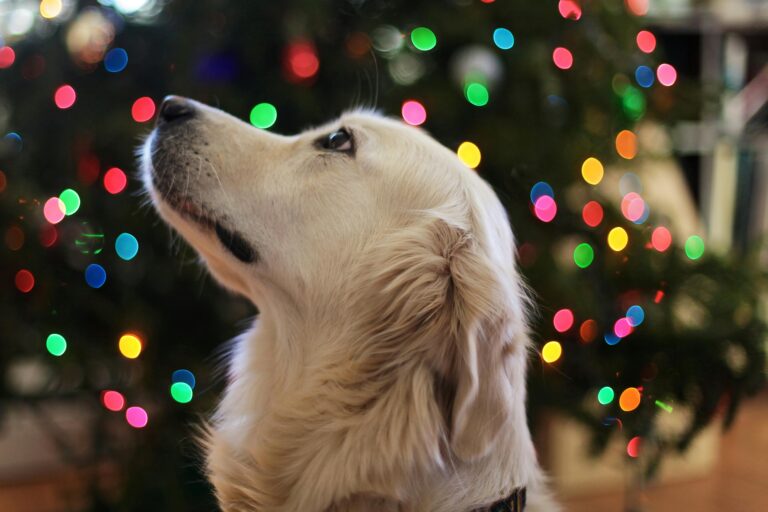

The holiday season is full of joy, lights, and celebration, but it can also present hidden dangers for dogs. Every year, veterinarians see an increase in emergency visits during December due to food poisoning, choking hazards, and stress-related behavior issues.
As dog trainers, we know that awareness and structure can prevent most of these accidents. A little preparation and obedience work go a long way toward keeping your dog safe and calm during the holidays.
Here is what every dog owner should know about holiday hazards and how to prevent them.
Toxic Holiday Foods
The most common holiday hazard for dogs is food. Between rich meals, sweets, and unattended leftovers, dogs have endless opportunities to grab something harmful.
Foods that are dangerous to dogs:
- Chocolate (especially dark or baking chocolate)
- Grapes and raisins
- Foods with xylitol (sugar-free candy, gum, baked goods)
- Turkey bones and skin
- Onions, garlic, and fatty gravies
- Alcohol or eggnog
Even small amounts of these foods can cause serious health issues. If your dog eats something suspicious, contact your vet immediately.
The American Kennel Club offers a guide to holiday food safety and stresses the importance of keeping all human food out of reach.
Dangerous Decorations
Holiday décor may look harmless, but dogs often see ornaments, ribbons, and tinsel as toys. Unfortunately, these can be choking or intestinal hazards.
Common decoration risks:
- Ornaments that shatter or break easily
- Electric cords from lights or inflatables
- Tinsel, ribbon, and garlands
- Candles and potpourri
- Small decorations within reach of curious noses
Make sure your tree and decorations are secure, and supervise your dog around them.
Gift-Wrapping Hazards
Gift wrapping might seem harmless, but it often includes items that can be harmful if swallowed. Keep ribbons, bows, tape, and wrapping paper out of reach. Dispose of wrapping materials quickly after presents are opened.
Dogs often associate excitement and noise with playtime, so obedience commands like Place and Leave it are vital for managing that energy.
Managing Stress During the Holidays
The holidays can be overstimulating for dogs, especially when the home is full of guests or travel plans disrupt normal routines.
Signs of holiday stress include:
- Excessive barking or whining
- Hiding or pacing
- Loss of appetite
- Destructive behavior
Obedience training gives your dog structure and confidence in these situations. Our Basic Obedience Program teaches commands that help your dog relax and remain calm, even when the household is busy.
For additional support, our post on why your dog paces, whines, or can’t settle offers insight into how to address overstimulation before it becomes anxiety.
Checklist: Holiday Safety for Dogs
- Avoid feeding human food or scraps
- Keep chocolate and sweets out of reach
- Secure decorations and electric cords
- Use gates or crates to manage space
- Maintain feeding and walking routines
- Practice Place command during gatherings
- Store wrapping materials safely after use
Frequently Asked Questions
- Can dogs eat turkey during the holidays?
Yes, plain, cooked turkey meat without seasoning or bones is safe. Avoid fatty skin, gravy, or stuffing. - What should I do if my dog eats something toxic?
Call your veterinarian or the ASPCA Animal Poison Control Center immediately. Quick action can save your dog’s life. - How can I stop my dog from chewing decorations?
Supervise your dog and use training commands like Leave it. Offer safe chew toys as an alternative. - Should I crate my dog during parties?
Yes, if your dog gets overwhelmed, crate time provides a calm and safe retreat. Make it positive with bedding and treats. - How can I help my dog stay calm around guests?
Practice Place or Down commands and reward calm behavior. Provide regular breaks and short walks for mental resets.
Safe, Calm Holidays Begin with Training
The holidays should be a time of happiness, not worry. By combining training, supervision, and awareness, you can keep your dog safe while still enjoying every celebration.
Our Basic Obedience Program will help you create a reliable, calm companion who listens in any environment, even during the busiest holiday season. To get started, reach out through our contact page today.